- Comparing outdoor advertising formats
- Evaluating location and audience relevance
- Keeping creative messaging clear and readable
- Coordinating branding production and installation
In this article
Outdoor advertising can take many forms, and the right one depends on your audience, your location and what you want people to do. This guide covers the questions worth asking before you commit to a format.
Compare outdoor advertising formats
Common options include hoardings and billboards, transit media such as buses and metro, auto and vehicle branding, and street furniture. Each has a different reach, visibility period and production requirement.
- Static sites suit long-term visibility in a fixed area
- Transit and vehicle branding move through many neighbourhoods
- Auto branding can reach local markets efficiently
Evaluate location and audience relevance
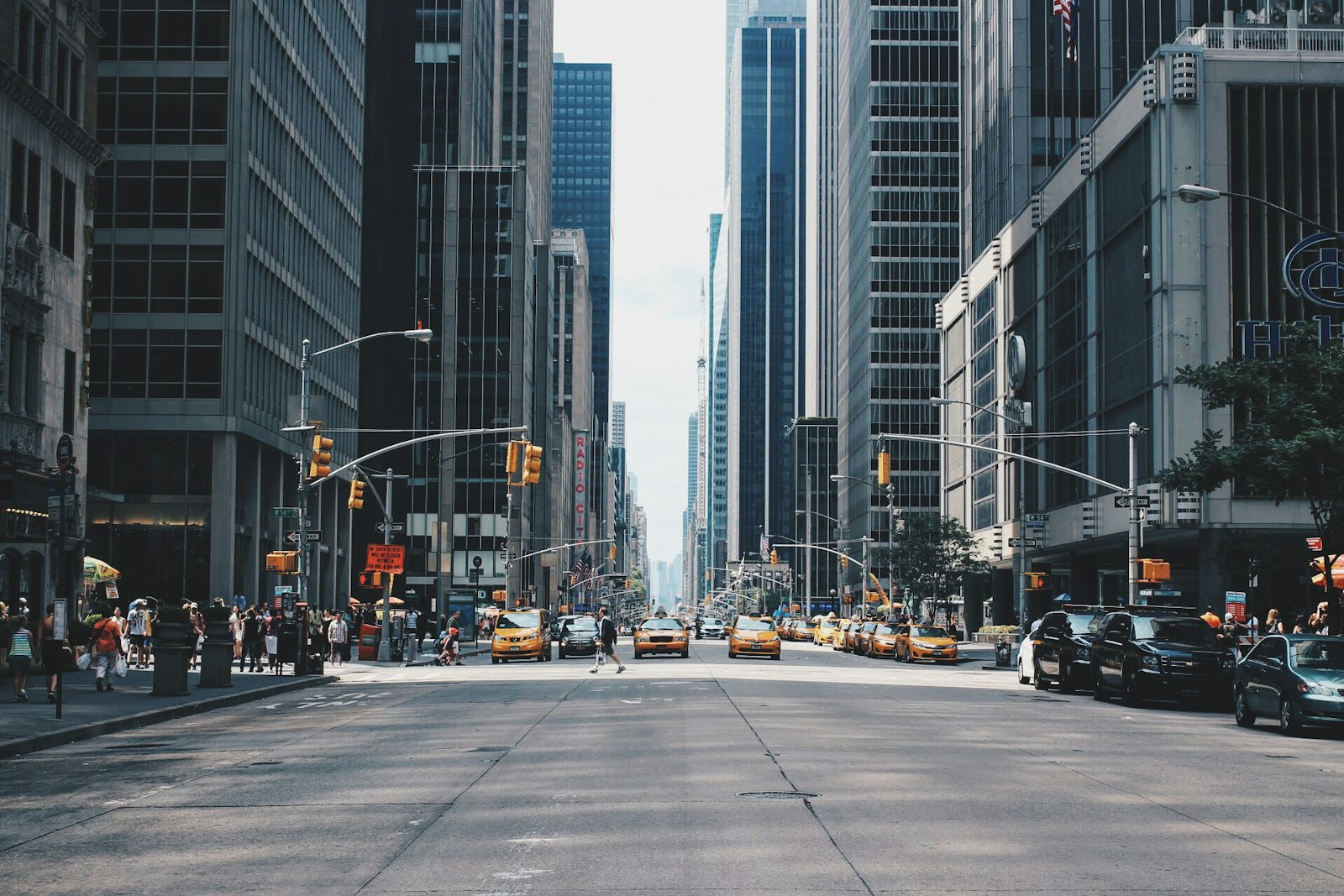
A high-traffic site is only useful if the people passing it are the people you want to reach. Consider the city, the route, the viewing distance and the time of day your audience is likely to see the message.
Keep creative messaging clear and readable
Outdoor messages are read in seconds. Use a short headline, a strong brand mark, high contrast and a single call to action. Check artwork at the real viewing distance before it goes to print.
Coordinate production and installation
Printing, fabrication, permissions and installation need to be scheduled together, especially when a campaign runs across several locations. Agree material specifications, installation dates and a photo-verification process in advance.
A well-planned outdoor campaign stays consistent across every site and gives your brand steady visibility where it matters.